Heat wave will pose challenges to White House's July 4 plan for 'largest fireworks show in history'
The fireworks display is expected to feature a record-setting 850,000 fireworks
Fireworks may not be the only spectacle lighting up the sky this Fourth of July.
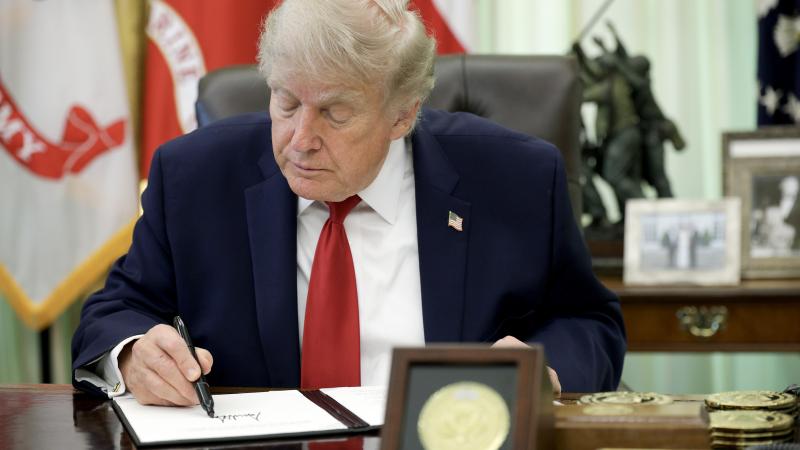
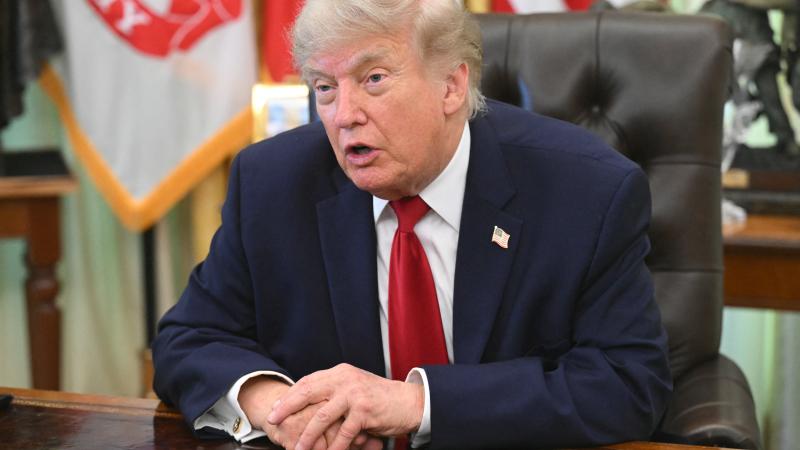
Forecasters say a chance of thunderstorms and high humidity, part of forecasted 100-degree days, could affect visibility for the thousands expected to gather in Washington, D.C., for what President Trump has called "the largest fireworks show in history."
High humidity is expected to peak Saturday later in the evening, raising concerns that smoke from the fireworks could linger over the National Mall.
"We hope that we don't have [a night] where the humidity kind of hangs the smoke," Julie Heckman, executive director of the American Pyrotechnics Association, said in an interview with NPR.
As Just the News reported Monday, the dangerous heat wave is expected to blanket much of the central and eastern United States this week. With real feel temperatures reaching up to 110 degrees on Saturday. Despite the heat and humidity, organizers say festivities will continue as planned, with an emphasis on keeping attendees safe and hydrated.
"Everybody in the organizing event has worked from the beginning to make sure that there is hydration inside the secure areas, so people can be hydrated before they get there and maintain their hydration throughout. If nothing else, that is the most important takeaway," D.C. Fire and EMS Chief John Donnelly said.
Security will also be heightened for the celebration, with restrictions in place from the Lincoln Memorial to the U.S. Capitol.
The fireworks display is expected to feature a record-setting 850,000 fireworks launched from 10 different platforms, including the Lincoln Memorial, beginning at 10:30 p.m. on Saturday. The annual fireworks display, which typically lasts about 20 minutes, is scheduled to run for approximately 40 minutes this year.
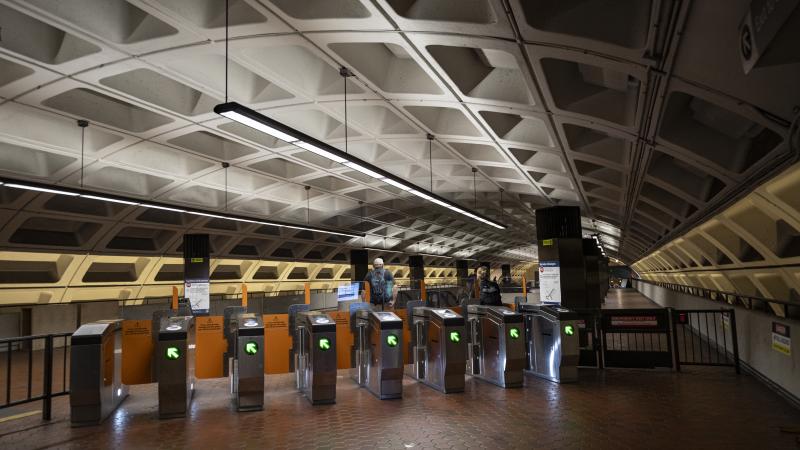
Officials are also strongly encouraging attendees to use public transportation. Washington's Metro system will be free beginning July 4 at 5 p.m. until 2 a.m the next day to help move the large crowds expected for the celebration.
The National Mall is expected to reach capacity with over 150,000 attendees anticipated for the 250th anniversary of America's independence.
The Facts Inside Our Reporter's Notebook
Links


Top Stories


Trending
Just the News Spotlight
Just News, No Noise